The trucking industry is an integral part of the global economy, facilitating the efficient transport of goods across vast distances. The occupation of truck driving, while crucial, involves substantial risks due to factors like heavy traffic, long hours on the road, and diverse weather conditions. It is essential, therefore, to prioritize the safety of truck drivers as well as other road users. This guide introduces the fundamental safety equipment from safety vests to emergency roadside kits that every truck driver should have, emphasizing personal protective gear and tools for emergency preparedness.
Reflective Safety Vests
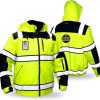
Reflective safety vests are designed to enhance visibility, making the truck driver conspicuously visible to other road users, particularly under low-light conditions or adverse weather conditions. Such enhanced visibility ensures adherence to safety regulations prevalent across various jurisdictions.
Regulatory Compliance and Standards
In the United States, the Occupational Safety and Health Administration (OSHA) requires all workers to wear high-visibility clothing, including truck drivers, who are exposed to traffic and operational machinery. These regulations align with the American National Standards Institute (ANSI) which provides detailed classifications based on the environmental risks associated with different work zones.
Choosing the Right Vest
Reflective vests are categorized into classes designed to meet the requirements of varying risk exposures:
- Class 1 vests are tailored for environments where traffic speeds do not exceed 25 mph, such as in residential areas.
- Class 2 vests are necessary for more congested areas where vehicle speeds are likely between 25 and 50 mph, typical of urban settings or road construction zones.
- Class 3 vests offer the highest level of visibility and are mandatory in extremely hazardous conditions, like those found on highways where speeds exceed 50 mph.
Additional Features and Maintenance
Reflective vests may also feature design elements like breakaway configurations to prevent snagging on equipment, or integrated storage pockets for carrying essentials. Materials range from lightweight, breathable fabrics suitable for prolonged wear. Regular maintenance, including routine cleaning and checks for any reduction in reflectivity, is crucial to ensure ongoing compliance and safety effectiveness.

Hard Hats
Hard hats are critical gear for drivers engaged in loading, unloading, or maintenance tasks, where the risk of head injuries from falling or flying objects is significant.
Importance and Regulatory Requirements
In several regions, wearing a hard hat is both a safety precaution and a legal requirement. ANSI Z89.1 Standard specifically dictates the necessity for proper head protection and regulates its use in any environment where there are risks to the head.
Choosing the Appropriate Hard Hat
Hard hats are classified to address different safety needs:
- Class G (General) hard hats provide good impact protection and limited voltage protection.
- Class E (Electrical) are designed to safeguard against electrical hazards up to 20,000 volts.
- Class C (Conductive) hard hats, while offering no electrical protection, provide better comfort due to the ventilated design.
The selection of a hard hat should be based on the specific hazards identified within the work environment.
Proper Usage and Maintenance
For optimal protection, hard hats must be properly fitted and maintained. The helmet should sit snugly, without slipping or tilting. Regular inspections for any signs of damage, such as cracks or dents, are vital. Hard hats compromised by significant impacts or electric shocks should be replaced immediately to maintain protective integrity.

Steel Toe Work Boots
Steel-toe work boots are designed to protect workers’ feet from severe injuries caused by heavy falling objects, sharp materials, and other occupational hazards. These boots feature a robust steel cap over the toe area, engineered to withstand significant forces. This design effectively safeguards truck drivers from potentially crippling foot injuries. In the transportation and logistics sectors, the wearing of steel-toe boots is mandated under OSHA standards.
Features of High-Quality Steel Toe Boots
When selecting steel-toe boots, drivers should consider several key attributes to ensure maximum protection and comfort:
- Durability and Material: High-quality boots are usually crafted from durable leather or advanced synthetic materials that offer long-lasting wear and weather resistance.
- Protection Features: These boots often include additional safety features such as puncture-resistant soles and electrical hazard protection, encompassing a comprehensive safety approach.
- Comfort and Support: Given that truck drivers spend extensive hours on feet. Boots with excellent arch support, cushioned insoles, and breathable lining are recommended for reducing fatigue and enhancing comfort.
- Slip Resistance: Boots with oil and slip-resistant outsoles prevent slips and falls in various working environments.